ABOUT ME
Personal Interests
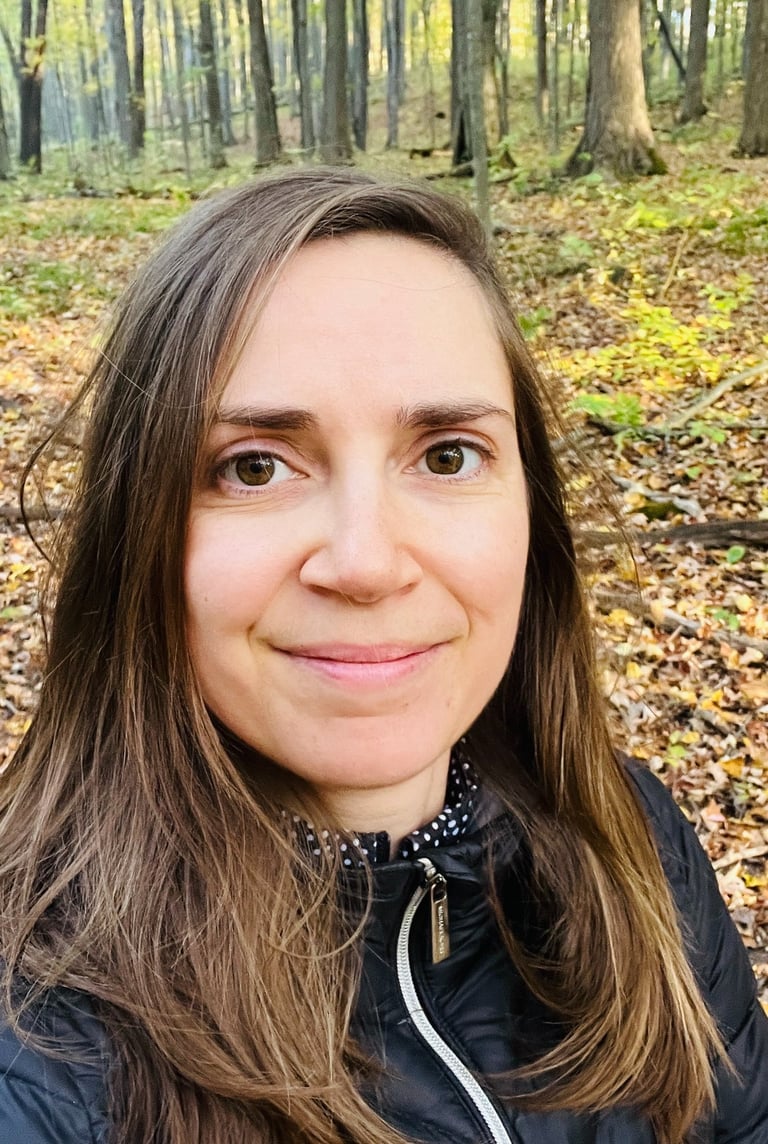
I am fortunate to live near many conservation areas that I frequent daily with my two rescue dogs. Nature, sunlight, and houseplants are central to my daily life, alongside hiking, reading, thrifting, pickleball, and plant-based living for ethical, environmental, and health reasons.
Professional Development
Before becoming a psychotherapist, I worked in post-secondary education for 10 years. I am committed to lifelong learning and ongoing professional development, including:
EMDR from Start to Finish - Foundational Training for PTSD & Complex Trauma, 2026
Integrative Sex & Couples Therapist Certification, 2025
Narrative Therapy Summer Intensive Certification, 2025
Dynamic Narrative Exposure Therapy, 2024
Motivational Interviewing, 2024
Couples Therapy Level 1 - Gottman Institute, 2024
I believe healing begins with compassionate curiosity and the courage to turn toward your experiences with kindness. In our work together, I offer a calm, supportive space to explore the patterns, emotions, and stories that shape your life. My goal is to help you feel more connected — to yourself, to others, and to the life you want to live — with gentleness, empowerment, and authenticity at the heart of the process.




How I work
Polyvagal-Informed Approach
Often referred to as the science of safety, a polyvagal-informed approach supports nervous system regulation by increasing awareness of safety cues and helping the body move out of survival responses.
I draw from diverse, evidence-informed modalities to support trauma recovery, emotional regulation, and meaningful change based on each client's individual needs. These include:
Self-Compassion Practices
These practices encourage present-moment awareness and kindness toward yourself, supporting emotional regulation without self-criticism or pressure.
Relational Therapy
Relational therapy focuses on how relationships and patterns of connection shape emotional wellbeing, emphasizing safety, authenticity, and mutual understanding.
Trauma-Informed
A trauma-informed approach, including the integration of EMDR and parts-work helps the brain safely process distressing memories without re-traumatization so they feel less emotionally overwhelming and no longer intrude on the present.
Existential-Informed
Existential therapy explores meaning, identity, freedom, and responsibility, helping you navigate life transitions and questions with greater clarity and authenticity.
Strengths Based
Strengths-based therapy focuses on your existing capacities and resilience, helping you build on what is already working rather than centering deficits.
Acceptance and Commitment Therapy (ACT)
ACT supports you in relating differently to difficult thoughts and emotions while taking meaningful action aligned with your values, rather than trying to eliminate discomfort.
Narrative Therapy
Narrative therapy helps you explore and reshape the stories you hold about yourself and your experiences, separating you from the problems that have influenced your life.



Why I became a therapist
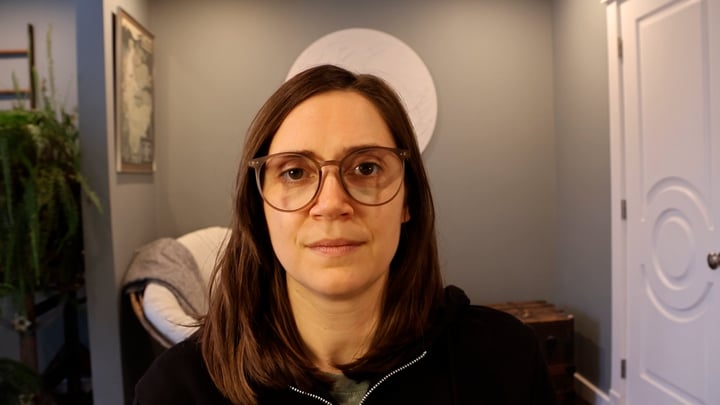
I became a therapist because I deeply believe people do not need to carry their pain alone. In this video, I share a bit about what drew me to this work and how I aim to create a space that feels calm, respectful, and genuinely supportive. My hope is that you get a sense of who I am and whether working together feels like the right fit.
Why Moss & Stone?
Moss
Stone
Stone, by contrast, is enduring and grounded. It carries history, shaped yet unbroken by life’s storms. At times, it reflects our defenses, the hardness that forms in response to pain or fear.
Moss grows in places that seem inhospitable, showing that healing and resilience can take root even in harsh conditions. Its growth is quiet and steady, change unfolding slowly with time.


Alone, moss is fragile and stone is hard. Together, they form a resilient, living balance - a reminder that healing involves both strength and softness.